
Dr. Mukesh Mahaling
Hon'ble Minister, H&FW Dept, Govt. of Odisha
Hon'ble Minister, H&FW Dept, Govt. of Odisha
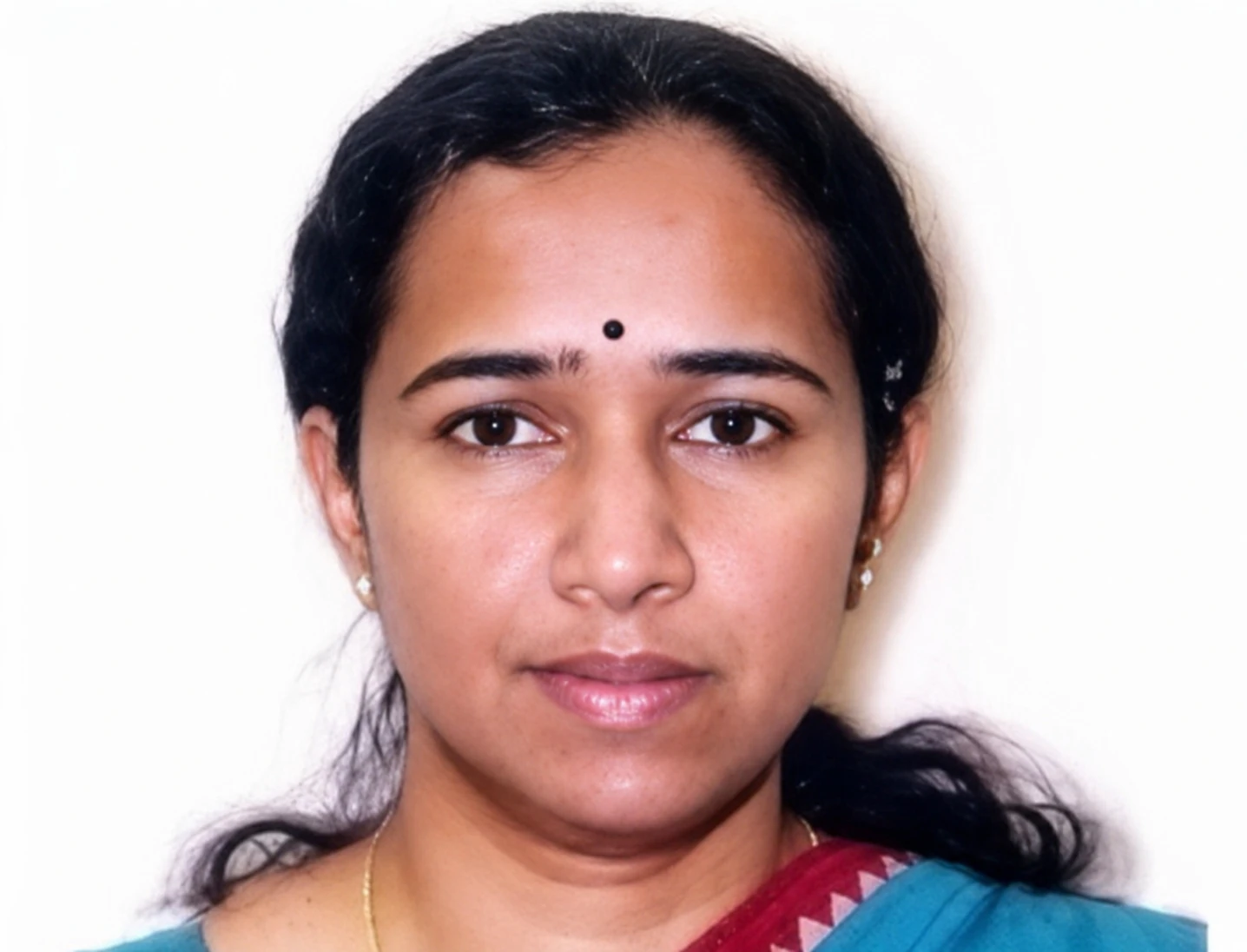
Commissioner-cum-Secretary, H&FW Dept, Govt. of Odisha
A state-wide initiative dedicated to collecting, analyzing,
and strengthening cancer surveillance data across Odisha
To support evidence-based public health planning and policy decisions.
Building a robust statewide cancer registry framework to improve cancer surveillance, epidemiological research, and healthcare planning.
Districts Covered
Healthcare Facilities
Trained Participants
Coverage Goal
OSPBCR is a statewide system for understanding where, when, and among whom cancer occurs in Odisha. It brings information from healthcare facilities and reporting centres into a consistent population-based record.
Through systematic case finding, validation, coding, de-duplication, and analysis, the registry builds reliable evidence that can be compared across locations and over time.
This shared evidence helps public-health leaders, clinicians, and researchers recognise patterns, identify information gaps, and plan responses that reflect the needs of Odisha's communities.
Coordinates information from participating healthcare and reporting centres across the state.
Uses standard definitions, verification, coding, and duplicate checks to improve consistency.
Turns case records into meaningful patterns and trends for research, prevention, and planning.
Information progresses through three connected evidence stages.
Registry Overview describes the statewide evidence system and its core purpose. These four objectives remain distinct by defining the measurable capabilities and public-health value that OSPBCR is working to strengthen.
Establish a robust statewide cancer surveillance framework.
Improve data quality and reporting consistency across districts.
Support epidemiological and clinical cancer research.
Enable evidence-based public health decision-making.
A traceable four-stage process moves cancer information from case identification to quality-assured analysis and reporting. Each stage has a distinct responsibility and a defined output for the next stage.
Identify eligible cases and build a structured record from recognised reporting sources.
Confirm that collected information is accurate, complete, consistent, and suitable for analysis.
Convert verified records into population-level measures, comparisons, and interpretable patterns.
Communicate findings in clear formats that support review, planning, and public-health action.
Recent announcements, activities, and milestones from the Odisha State Population-Based Cancer Registry.
A coordinated partnership between ACTREC, NISER, and the Government of Odisha.
Health for All
Prioritizing affordable healthcare for tribal, rural, and economically vulnerable populations.
Knowledge Imparts Immortality
Cultivating world-class research capabilities in core and interdisciplinary sciences.
Excellence in Service, Education, and Research.
Providing comprehensive, affordable, and world-class cancer care to all.


